A Physician’s Perspective on the Dangerous Intersection of Social Media, Wellness Culture, and Medical Misinformation
 By Dr. Ben González, a Retired Emergency Medicine and Trauma Physician………. and a practicing Wellness and Longevity Physician
Introduction: The Burden Has Shifted
Fifteen years ago, I made the difficult decision to step away from emergency and trauma medicine, a field I loved deeply and practiced in its most demanding form: in war zones, where every decision carried immediate life-or-death consequences. I didn’t leave because of burnout in the traditional sense. I left because I recognized a fundamental failure in our healthcare system: the perpetuation of disease without honest prevention. I watched diabetic patients cycle through the emergency department with the same preventable complications. I saw people seeking quick fixes for chronic conditions, unwilling or unable to take control of their own health with proper guidance.
What I miss most from those days, and what I feared and respected the most, was the sacred trust patients placed in my medical judgment. That trust wasn’t given lightly, and it shouldn’t have been. I didn’t have all the answers, but I surrounded myself with colleagues who challenged me to grow, to question, to be careful and precise in my practice.
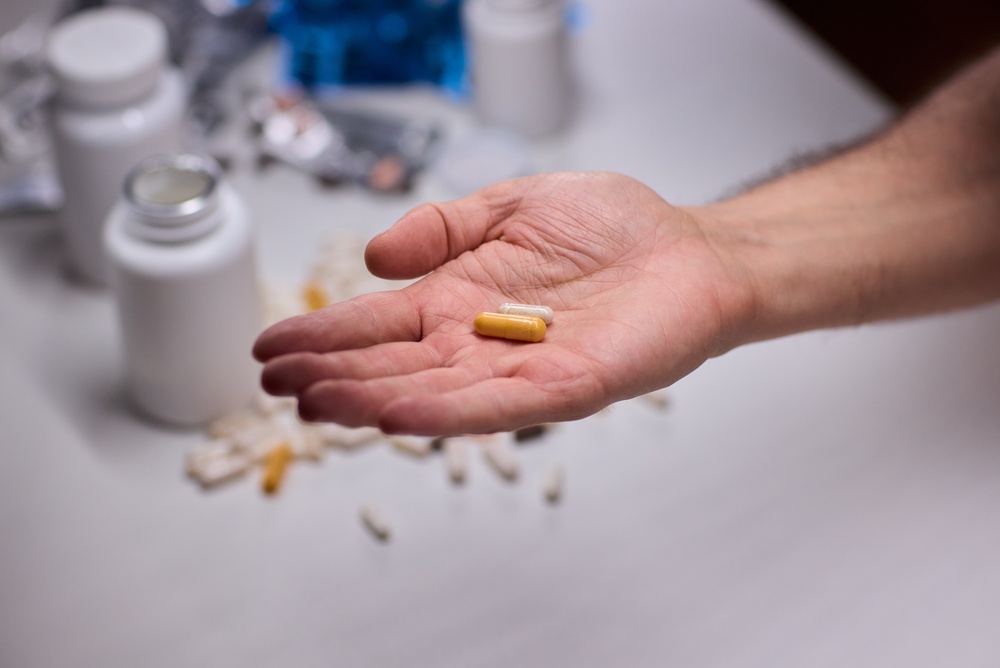
Today, that landscape has fundamentally changed. As I continue to practice medicine in a different capacity, I find myself spending more time undoing misinformation than practicing good medicine. The trigger for writing this was stark and personal: a new patient arrived in my office after ending up in the emergency room with a contaminated counterfeit medication purchased online from an unqualified “wellness expert.”
This is not an isolated incident. It represents a dangerous trend that is undermining patient safety, eroding trust in legitimate medical expertise, and creating a liability vacuum where the practitioners of harm face no consequences.
The New Purveyors of “Health”: A Dangerous Ecosystem
Over the past several years, we’ve witnessed an explosion of self-proclaimed health experts flooding social media platforms and wellness spaces. These individuals, weekend health coaches, “peptide bros,” hormone specialists without medical training, menopause “experts” with online certifications, are not just sharing information. They’re prescribing protocols, selling medications and supplements, and promoting medical procedures as cure-alls for complex health conditions.
Who Are These Players?
The current wellness-industrial complex includes:
1. Weekend Health Coaches
These individuals typically complete brief online certification programs, sometimes as short as a few weeks, and emerge claiming expertise in nutrition, hormones, metabolic health, and chronic disease management. Unlike a master’s clinical nutritionist (who completed 6 year degrees, supervised practice, and pass national CNS board exams), registered dietitians (who complete four-year degrees and pass national board examinations) or physicians (who complete four years of medical school, 3-7 years of residency, and ongoing continuing medical education), these coaches operate in a largely unregulated space.
2. Social Media “Peptide Bros”
A particularly concerning subset of the wellness industry involves individuals promoting and often directly selling research peptides compounds that are explicitly labeled “not for human consumption” and have not undergone FDA approval processes. These substances are being marketed for everything from muscle building and fat loss to anti-aging and cognitive enhancement, often with little to no discussion of potential side effects, drug interactions, or long-term safety data.
3. Hormone “Experts” Without Endocrinology Training
Hormone optimization has become a lucrative corner of the wellness market. Self-proclaimed experts, often gym trainers, aestheticians, or individuals with minimal biological science education, are interpreting laboratory tests, recommending hormone replacement protocols, and making claims about thyroid, testosterone, estrogen, and cortisol management that would make actual endocrinologists wince.
4. Menopause and Women’s Health “Specialists”
The legitimate medical complexity of perimenopause and menopause has been co-opted by wellness entrepreneurs offering simplified solutions: proprietary supplement blends, unproven bioidentical hormone protocols, and lifestyle programs that promise to eliminate all menopausal symptoms. While some interventions may have merit, the lack of individualized medical assessment and the one-size-fits-all approach can be dangerous.
5. Weight Loss Spas and Medical Spas
Perhaps most concerning are facilities that dispense prescription medications, particularly GLP-1 agonists (semaglutide, tirzepatide) for weight loss, without comprehensive metabolic assessment, appropriate monitoring, or proper medical oversight. These facilities often employ a physician who rubber-stamps protocols but never actually evaluates patients.
The Research Evidence: How Bad Is the Problem?
The medical literature increasingly documents the scope and danger of health misinformation, particularly as disseminated through social media and wellness culture.
Prevalence and Reach
A comprehensive scoping literature review published in the Journal of Medical Internet Research (2024) found that health misinformation on social media platforms represents a pervasive and growing threat to public health. The study documented that misinformation spreads significantly faster than evidence-based health information, with emotionally charged and sensationalized content receiving substantially more engagement.
Recent research published in Computers in Human Behavior (2026) examined how social media users engage with health misinformation. The study, titled “Think twice, scroll once: Encouraging critical reflection as a shield against health misinformation,” found that users with lower eHealth literacy are particularly vulnerable to accepting and sharing misinformation from influencers and self-proclaimed experts.
Patient Safety Concerns
The consequences extend beyond theoretical harm. Research published in Social Science & Medicine (2024) demonstrated that exposure to health misinformation leads to:
- Delayed diagnosis and treatment as patients pursue unproven alternatives
- Medication non-adherence when influencers contradict physician recommendations
- Inappropriate self-medication with supplements, peptides, or medications purchased online
- Wasted healthcare resources as physicians spend increasing time correcting misinformation
- Erosion of trust in evidence-based medicine and public health institutions
A 2024 study in the Journal of Medical Internet Research surveyed racial and demographic disparities in susceptibility to health misinformation, revealing that certain populations are disproportionately targeted by wellness entrepreneurs and unqualified health coaches, exacerbating existing health inequities.
The Mental Health Dimension
Mental health misinformation represents a particularly dangerous subset. A review in Current Opinion in Psychology (2024) documented how social media mental health “experts” promote unvalidated treatments, discourage evidence-based psychotherapy and medication, and create unrealistic expectations about recovery from serious mental illness. The consequences include treatment abandonment, worsening symptoms, and in extreme cases, suicide.
Why Misinformation Spreads
Multiple studies have examined the psychological and social mechanisms that allow health misinformation to flourish:
- Confirmation Bias and Motivated Reasoning: Research in Telematics and Informatics (2023) found that individuals experiencing health challenges are motivated to seek information that confirms their desired outcomes, quick fixes, simple solutions, natural alternatives, even when evidence contradicts these approaches.
- Presumed Media Influence: A study in Computers in Human Behavior (2026) examined how individuals’ beliefs about others’ susceptibility to misinformation paradoxically increases their own vulnerability. When people believe “everyone else” is falling for wellness claims, they’re more likely to accept those claims as having social validity.
- Social Media Algorithms: Platforms prioritize engagement over accuracy, meaning sensationalized health claims receive disproportionate visibility compared to measured, evidence-based content from medical professionals.
- The Liability Vacuum: No Consequences for Harm: Here’s what makes this situation particularly insidious: These wellness entrepreneurs, health coaches, and self-proclaimed experts operate in a space with virtually no accountability or legal liability.
The Fine Print Disclaimer
Almost universally, these individuals include a disclaimer, often in tiny text, rapidly spoken at the end of videos, or buried in terms of service:
“This information is for educational purposes only and is not intended to diagnose, treat, cure, or prevent any disease. Consult your physician before starting any new health program.”
This legal shield serves multiple functions:
- It transfers liability to licensed physicians who must then spend time evaluating, correcting, or managing complications from unqualified advice
- It creates plausible deniability when harmful outcomes occur
- It exploits the trust gap between patients and the healthcare system by positioning the “expert” as the helpful educator and the physician as the gatekeeper
When Things Go Wrong
When a patient experiences adverse effects from following unqualified advice, the accountability trail dead-ends:
- The health coach points to their disclaimer and claims they were only “sharing information”
- The online supplement seller claims they were selling “research compounds” not intended for human use
- The medical spa that prescribed GLP-1 agonists without proper monitoring claims they had physician oversight (from a doctor who never examined the patient)
- The peptide seller operates in a gray market where compounds aren’t properly managed and are explicitly labeled “not for human consumption”
The patient, the person who suffered harm, has nowhere to turn except back to the licensed medical professional who must now:
- Diagnose and treat complications from unregulated substances
- Order additional tests to assess damage
- Document the exposure in the medical record
- Report adverse events when appropriate
- Counsel the patient about the risks they were never informed about
- Navigate insurance that may not cover treatment for self-inflicted harm
Meanwhile, the original source of the harm continues operating without consequence, often racking up more customers through aggressive social media marketing.
FDA Warnings and Regulatory Gaps
The U.S. Food and Drug Administration (FDA) has increasingly sounded alarms about health fraud and unregulated products, but enforcement mechanisms remain limited.
Recent FDA Actions and Concerns
The FDA’s Health Fraud division regularly issues warnings about:
- Counterfeit and Contaminated Medications: Online sellers, often promoted by social media wellness influencers, distribute counterfeit prescription medications, research chemicals, and supplements that contain unlisted ingredients, contaminants, or incorrect dosages. The FDA’s Health Fraud Product Database documents hundreds of such products, but this represents only a fraction of what’s available online.
- “Research Peptides” Marketed for Human Use: Despite explicit labeling stating “Not for human consumption,” research peptides are widely sold and promoted by fitness influencers and wellness coaches for muscle building, fat loss, anti-aging, and various health conditions. These substances have not undergone safety or efficacy testing in humans, lack quality control, and may contain contaminants or incorrect compounds entirely.
- GLP-1 Agonist Misuse: The FDA has expressed concern about the proliferation of weight loss clinics and online providers dispensing semaglutide and tirzepatide without appropriate patient selection, complete metabolic management for sustained improvements, monitoring, or management of side effects.
- Dietary Supplements with Hidden Drugs: The FDA regularly finds dietary supplements marketed for weight loss, sexual enhancement, muscle building, and other purposes that contain undeclared pharmaceutical ingredients, including drugs that have been removed from the market due to safety concerns.
- 7-OH Opioid Products and “Gas Station Heroin”: In 2025, FDA Commissioner issued urgent warnings about products containing 7-hydroxymitragynine (7-OH), a potent opioid being sold as dietary supplements or wellness products. These substances have caused serious adverse events including overdose deaths, yet they’re marketed by wellness retailers as safe, natural alternatives.
- Tianeptine (“Gas Station Heroin”): Despite not being FDA-approved for any use, tianeptine is sold online and in gas stations, often promoted by wellness influencers as a mood enhancer or nootropic. The FDA has documented serious adverse events including addiction, seizures, and deaths.
The Regulatory Challenge
The problem is structural. The FDA has authority to take action against products making false health claims, but:
- The sheer volume of violative products and sellers overwhelms enforcement capacity
- Social media platforms are not held accountable for hosting and promoting health fraud
- International sellers operate outside U.S. jurisdiction
- Rapid marketplace evolution means new products and sellers appear as quickly as others are shut down
- The Dietary Supplement Health and Education Act (DSHEA) of 1994 created a permissive regulatory environment where supplements can be marketed without pre-market safety or efficacy testing
Most importantly, individuals providing health advice (coaches, influencers, trainers) typically aren’t selling the products directly, they’re promoting them or providing affiliate links, which creates an additional layer of legal insulation.

The Burden on Practicing Physicians
The consequences of this unregulated wellness industry fall disproportionately on licensed physicians who operate under strict ethical, legal, and professional standards.
Time Spent Correcting Misinformation
Multiple studies have documented the time burden:
Research published in the Journal of Medical Internet Research (2021) surveyed physicians and nurses about their experiences with health misinformation. The findings were striking:
- 87% of physicians reported encountering patients who believed health misinformation they found online or from wellness coaches
- 64% reported spending significant appointment time correcting misinformation rather than providing primary care
- 52% expressed frustration that corrections often didn’t change patient beliefs, particularly when information came from trusted social media influencers
A 2022 study in Telematics and Informatics examined healthcare professionals’ willingness and motivation to correct health misinformation on social media. While many felt ethically obligated to counter false claims, barriers included:
- Time constraints given already overwhelming clinical workloads
- Lack of institutional support for social media engagement
- Fear of online harassment from wellness influencers’ followers
- Skepticism about effectiveness given algorithmic promotion of sensational content over evidence-based corrections
The Impossible Position
Physicians now find themselves in an untenable position:
Scenario 1: The Patient Follows Wellness Coach Advice
A patient sees a social media post from a wellness coach recommending high-dose vitamin D, zinc, and quercetin for immune support, along with thyroid supplements for “adrenal fatigue.” The patient purchases these products and develops hypercalcemia (dangerously high calcium from excessive vitamin D) and thyrotoxicosis (excessive thyroid hormone).
When symptoms develop, the patient sees their physician, who must:
- Diagnose the toxicity, Order confirmatory tests
- Counsel on discontinuation, Monitor for resolution
- Manage any complications, Document everything for liability protection
The wellness coach who made the recommendations faces no consequences, never learns of the harm caused, and continues making similar recommendations to thousands of followers.
Scenario 2: The Patient Wants to Try Peptides (From Non-Expert)
A patient asks their physician who is unfamiliar, about peptides from a fitness influencer, specifically BPC-157 for joint pain and healing. The physician explains:
- These are research chemicals not approved for human use
- Safety and efficacy data in humans are limited or absent
- Quality, purity, and dosing cannot be verified from online sources
- Potential for contamination and adverse effects
- Legal and ethical concerns
The patient becomes frustrated, perceives the physician as “closed-minded” or “controlled by Big Pharma,” and orders the peptides online anyway. When side effects occur or the condition worsens, they return to the physician for help.
Scenario 2a: The Patient Wants to Try Peptides (From Expert)
A patient asks their physician who is peptide-knowledgeable, about peptides from a fitness influencer, specifically BPC-157 for joint pain and healing. The physician explains:
- These are research chemicals not approved for human use
- Safety and efficacy data in humans are limited or absent
- Quality, purity, and dosing cannot be verified from online sources
- Potential for contamination and adverse effects
- Legal and ethical concerns
AND: Recommend and prescribe peptides after proper evaluation and recommendation. Physicians may legally prescribe FDA-approved peptides “off-label” for non-approved uses. Compounded peptides from 503(A) or 503(B) pharmacies are allowed if they follow FDA regulations, unlike “research” peptides.
Scenario 3: The GLP-1 Complication
A patient obtains semaglutide from an online or brick-and-mortar medical spa that required only a brief questionnaire and no to minimal in-person evaluation. The patient wasn’t screened for contraindications (personal or family history of medullary thyroid cancer, personal history of pancreatitis), had a limited lab work-up, and wasn’t counseled about proper dietary transition or warning signs of complications. No plan for maintenance of weight after stopping GLP-1 medication.
The patient develops a complication that requires monitoring and appropriate patient follow-up. Emergency treatment falls to the ER physician. Ongoing management falls to the primary care physician or gastroenterologist.
The online medical spa that prescribed the medication has already collected their fee and moved on to the next patient.
WORSE: The medication is blamed, deemed unsafe, and sensationalized as such through social media AND mainstream medical venues.
Defending Against Institutional Misinformation
Perhaps most troubling is the recent phenomenon of having to defend against or correct misinformation from government health agencies and medical societies themselves, institutions that physicians have traditionally relied upon for evidence-based guidance.
When trusted authorities issue guidance that conflicts with clinical evidence or appears politically motivated, physicians are placed in an impossible position:
- Follow institutional guidance that may not align with best evidence
- Challenge institutional guidance and risk professional consequences
- Navigate patient confusion when official recommendations conflict with clinical reality
This erosion of trust in public health institutions, partly self-inflicted through inconsistent messaging during the COVID-19 pandemic, has created a vacuum that wellness entrepreneurs have eagerly filled.
The “Do Your Own Research” Problem
A common refrain from patients who’ve solely embraced wellness culture and social media health advice is: “I did my own research.” This phrase encapsulates a fundamental misunderstanding of how medical knowledge is generated, evaluated, and applied.
What “Research” Actually Means
In medicine, research involves:
- Systematic observation under controlled conditions
- Peer review where independent experts evaluate methodology/conclusions
- Replication by independent investigators
- Meta-analysis synthesizing findings across multiple studies
- Clinical translation considering applicability to real-world patient populations
- Risk-benefit assessment in the context of alternative treatments
- Long-term outcome data beyond immediate endpoints
- Debate among peers for consensus
What “doing your own research” typically means for patients:
- Watching YouTube videos from charismatic influencers
- Reading targeted blog posts from wellness coaches with commercial interests
- Scrolling social media testimonials from individuals with undisclosed conflicts of interest
- Cherry-picking studies that support desired conclusions while ignoring contradictory evidence
- Misinterpreting biochemistry without understanding context, dosing, or clinical significance
- Confusing correlation/causation and not understanding confirmation bias
- Accepting mechanistic reasoning (“this supplement affects this pathway, therefore it must help this condition”) without clinical outcome data
The Dunning-Kruger Effect in Wellness Culture
The Dunning-Kruger effect, where individuals with limited knowledge in a domain overestimate their expertise, is rampant in wellness culture. A few hours watching health influencer content creates an illusion of knowledge sufficient to challenge physicians who’ve completed:
- 4 years of undergraduate education, 4 years of medical school
- 3-7+ years of residency training, Years of continuing medical education
- Direct patient care experience with thousands of patients
- Professional discourse
This confidence is reinforced by:
- Wellness influencers who frame their advice as “empowerment” and characterize physicians as gatekeepers controlled by pharmaceutical companies
- Anecdotal success stories (heavily influenced by placebo effects, regression to the mean, and selective reporting)
- Oversimplified explanations that create the illusion that complex medicine is actually simple
- Anti-establishment messaging that resonates with broader cultural distrust of institutions.
Bottom Line
The public is frustrated with the lack of research, continuity of care, and poor focus on prevention in the health care system. Combine that with the fact that medicine is an art and science is not about absolutes, but about observations, experimentation, probabilities, and refinement, well, you have public frustration. That public frustration forces searches from non-expert sources. Those sources at best, will give some helpful answers, at worse, be preyed upon by influencers causing harm.
Seek sources of information as hard as you seek the information itself.
To learn more or to speak with Dr. Ben González, call our office today at (301) 658-7686.