

Do you feel like something is off, but your lab results say everything is “normal”? If you’re constantly tired, struggling to lose weight, or dealing with mood swings, your gut health might be playing a bigger role in your hormones than you realize.
Table of Contents
ToggleLet’s explore the surprising connection between your gut health and your hormones and what you can do to start feeling better naturally.
The truth is, your gut holds the keys to your hormones.
What is the Microbiome?
Your microbiome is a community of trillions of microorganisms, mostly bacteria, that live in your digestive tract. These tiny residents help with digestion, immune defense, brain signaling, and yes, hormonal balance.
Your gut bacteria aren’t just passive; rather, they actively interact with hormones like estrogen, cortisol, insulin, and thyroid hormones.
The Estrobolome: Your Gut’s Hormone Helper
Within your microbiome is a specialized group of bacteria known as the estrobolome. These bacteria produce an enzyme called β-glucuronidase, which plays a key role in whether estrogen gets excreted or recycled back into your body.
If β-glucuronidase levels are too high (often due to poor gut health), estrogen that was ready to be eliminated gets reactivated and absorbed again. This can lead to estrogen dominance, which throws off your entire hormone balance.
Is Your Gut Health Throwing Off Your Hormones?
Common symptoms of hormonal imbalance linked to gut health, includes:
- Fatigue, even after a full night’s sleep
- Mood swings, anxiety, or feeling emotionally overwhelmed
- Weight gain or weight loss resistance, especially around the midsection
- Hormonal acne or irregular, painful, heavy periods, and significant PMS
- Bloating, constipation, or sluggish digestion (especially if you’re not pooping daily)
Why You Might Be Told “Everything Looks Normal”
Standard lab ranges are designed to detect disease, not early dysfunction. Many women are told their labs are fine, even though their bodies are clearly signaling an imbalance. That’s why it’s critical to look at labs through an optimal lens, which can catch issues before they become full-blown diagnoses.
Estrogen Detox: What Your Body’s Trying to Do Behind the Scenes
Your body is constantly working to detox estrogen in three key phases:
Phase 1: Liver Hydroxylation
The liver breaks down estrogen into three types:
- 2-OH (The Good Path) – Safely processed and protective.
- 4-OH (The Risky Path) – May damage DNA if not cleared.
- 16-OH (The Growth Path) – Promotes tissue growth and may worsen estrogen dominance.
Phase 2: Conjugation (Packaging Estrogen for Elimination)
Your body adds “tags” (methyl, sulfate, or glucuronic acid) to estrogen so it can be safely excreted. This step depends on nutrients like B vitamins, magnesium, and antioxidants.
Phase 3: Elimination Through the Gut
If you’re not having daily bowel movements or drinking enough water, estrogen may get reabsorbed instead of eliminated. And if your gut bacteria are out of balance, they may increase β-glucuronidase and reactivate estrogen.
How an Unhealthy Gut Triggers Hormonal Chaos
When the gut isn’t functioning optimally, here’s what can happen:
- Estrogen stays in circulation → Estrogen dominance symptoms
- Increased inflammation → Disruption of insulin, thyroid, and cortisol balance
- Altered appetite, cravings, fatigue, sleep problems, and weight gain
The Right Labs: Viewed the Right Way
Start With a Basic Hormone Panel, But Go Beyond the “Normal” Ranges
Many women are told their hormone levels are “within range,” but these standard lab ranges are based on population averages, not optimal function.
Optimal ranges aim for balance, not merely the absence of overt disease, identifying issues such as low estrogen or poor progesterone function before they develop into clinical problems. This is where we begin.
Functional Lab Testing Can Reveal What’s Really Going On
If we need to dig deeper:
- DUTCH Test: Measures estrogen metabolites and detox pathways.
- Stool Test: Evaluates β-glucuronidase levels and microbiome health.
- Micronutrient Panel: Checks nutrients like B6, B12, magnesium, and glutathione.
- Genetic Tests (MTHFR, COMT): Reveal how your body processes and clears estrogen.
5 Simple Ways to Support Your Gut AND Your Hormones
Eat More of What Feeds Gut Health
- Cruciferous vegetables (broccoli, kale, Brussels sprouts) help shift estrogen to the safer 2-OH pathway.
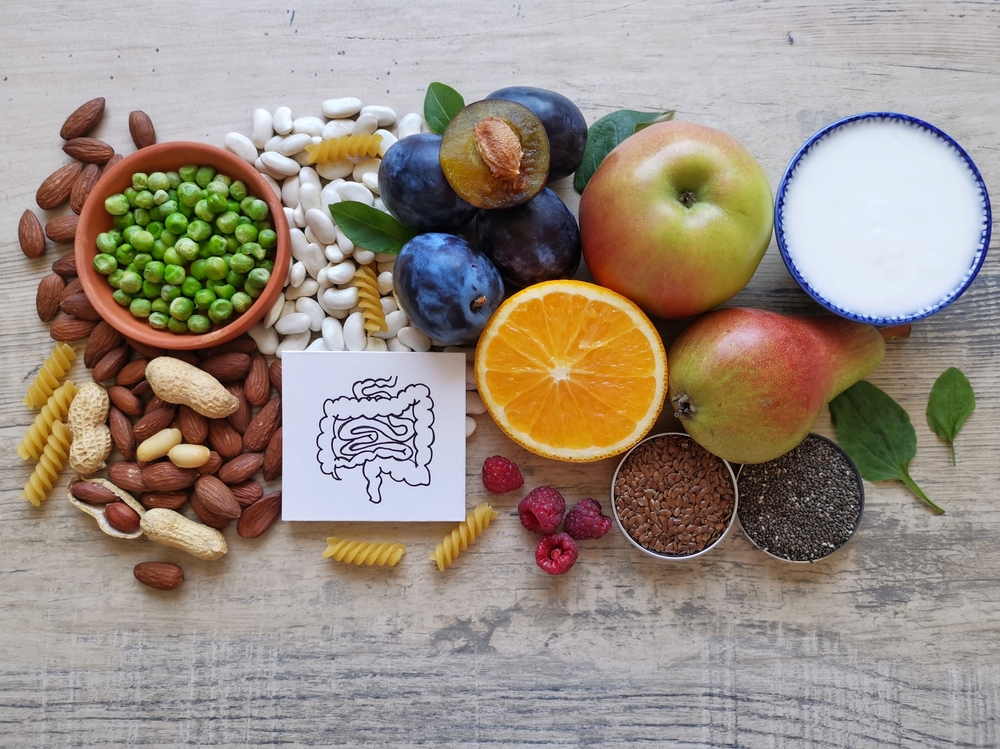
- Fiber-rich foods (beans, oats, freshly ground flaxseed, chia seed) support estrogen elimination.
- Fermented foods (sauerkraut, yogurt, kimchi) introduce healthy bacteria.
- Prebiotic foods (onions, garlic, green bananas) feed your good gut bugs.
Tip: Grab the greenest bananas you can find, slice them up, and store them in the freezer. They add a creamy banana taste to your smoothie, without all the sugar, and deliver the gut-loving benefits of a natural prebiotic.
Drink More Water
Water is essential to help remove estrogen from your body. Aim for at least 2 liters/day. Dehydration = constipation = estrogen recirculation.
Prioritize Daily Bowel Movements
Going at least once a day is key for Phase 3 detox. Less than that? Estrogen may be getting reabsorbed, not eliminated.
Move, Sleep, and Manage Stress
- Exercise keeps your gut motile and metabolism humming.
- Sleep supports hormone regulation and gut lining repair.
- Stress management reduces cortisol spikes that disrupt gut flora and estrogen balance.
Supplements? Only If Personalized
Supplements like DIM, NAC, or Calcium-D-Glucarate can support detox, but they’re not for everyone. The wrong supplement at the wrong time can make things worse. Always consult a qualified practitioner.
You’re Not “Crazy” → You’re Just Out of Balance
If you feel off, there’s likely a reason, and it’s not all in your head. Your gut could be holding onto excess estrogen, disrupting your metabolism, energy, and mood.
Small shifts—like improving your fiber intake, hydration, and gut health, which can lead to big wins in your hormone balance. And when you pair these with the right testing and guidance, you can finally move from “just surviving” to thriving.
Frequently Asked Questions About Gut Health
- What’s the difference between microbiome and estrobolome?
The microbiome is the entire ecosystem of microorganisms in the gut. The estrobolome is a subset that helps regulate estrogen metabolism.
- How do I know if estrogen is being reabsorbed?
If you’re constipated, bloated, and have hormonal symptoms, your estrogen may not be getting eliminated properly.
- What’s a healthy number of bowel movements per day?
Ideally, one or more full, easy bowel movements per day.
- Why is water so important for hormone balance?
Without enough water, detox slows down, and hormones like estrogen can get recirculated instead of being excreted.
- Are probiotics enough, or do I need more?
The RIGHT probiotics are helpful, but they work best when combined with a fiber-rich, plant-rich diet and lifestyle changes.