
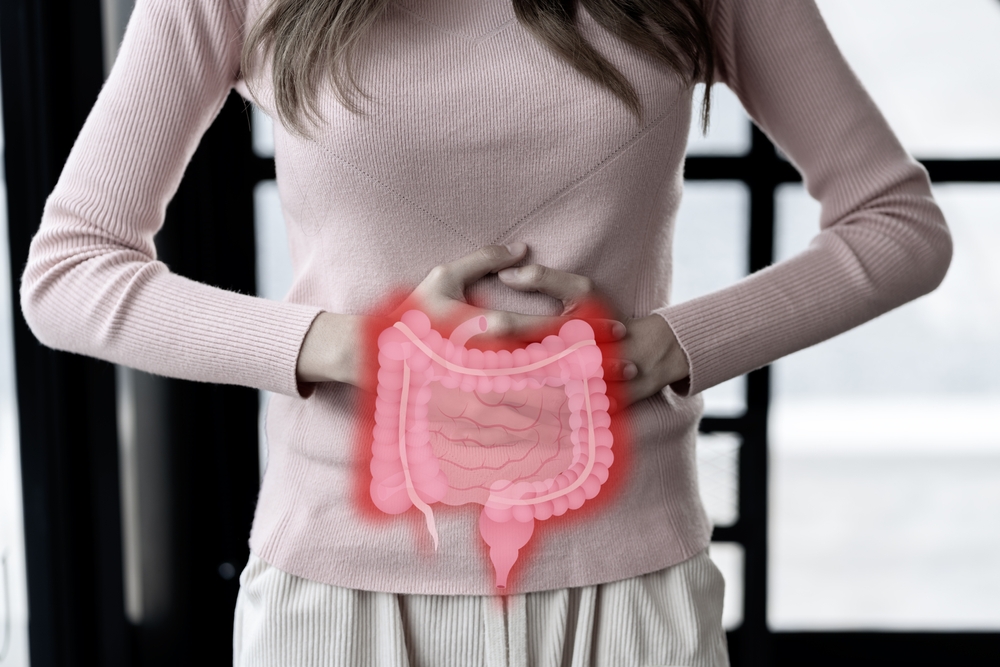
Leaky gut is not a diagnosis you’ll always find in standard medical charts, but researchers and clinicians increasingly recognize chronic inflammation and systemic symptoms. If you’ve been dealing with bloating, fatigue, or digestive discomfort and can’t quite pinpoint the cause, you’re not alone.
Table of Contents
ToggleMany people assume these symptoms are just part of everyday life, but emerging research suggests something deeper may be at play. In this guide, we’ll break down what leaky gut means, how certain medications and dietary patterns may contribute, and what you can do to support a healthy intestinal barrier.
What is Leaky Gut?
Your intestinal lining acts as a gatekeeper between the world inside your digestive tract and the rest of your body. Healthy gut lining allows nutrients to pass into the bloodstream while keeping bacteria, toxins, and undigested food particles out.
When this lining starts to break down, larger molecules can cross into circulation and trigger immune responses. This increased permeability is what many people and researchers describe as leaky gut.
Medications That May Affect Gut Health
Some commonly prescribed or over-the-counter pills can influence the integrity of your intestinal lining:
- Non-steroidal anti-inflammatory drugs (NSAIDs): Frequent use of ibuprofen or similar medications has been linked to changes in gut barrier function.
- Antibiotics: While life-saving in many situations, antibiotics can disrupt the balance of beneficial gut bacteria, which play a role in maintaining the mucosal barrier.
- Certain acid-blocking medications: Proton pump inhibitors (PPIs) reduce stomach acid, which is essential not just for digestion but also for controlling harmful bacteria populations in the gut.
These medications are important tools when used appropriately, but long-term or unnecessary use may contribute to changes in gut health and bacterial balance.
Foods That Impact the Intestinal Barrier
Some patterns and components linked to increased intestinal stability include:
- Highly processed foods: Many of these contain additives, emulsifiers, and artificial sweeteners that may alter gut microbiota.
- Excessive sugar and refined carbohydrates: These can promote growth of less beneficial bacteria at the expense of protective species.
- High-fat animal products: Diets very high in certain fats can contribute to inflammation, which affects gut barrier integrity.
Foods and Habits That Support a Healthy Gut
If you suspect your diet and medications may be placing stress on your digestive system, there are evidence-based steps you can take:
- Increase fiber-rich plant foods: Vegetables, fruits, legumes, and whole grains feed beneficial gut bacteria and support the mucosal lining.
- Incorporate fermented foods: Yogurt, kefir, sauerkraut, and kimchi contain probiotics that may help balance the gut microbiome.
- Stay hydrated: Water supports digestion and mucosal health.
- Limit processed and high-sugar foods: Reducing these can help shift your gut ecosystem toward a more balanced state.
Why Gut Health Matters
A supportive gut environment does more than reduce bloating or gas. Ongoing research continues to explore how intestinal stability may relate to conditions like autoimmune disorders, metabolic syndrome, and mood disturbances.
Your gut barrier is not just a physical wall. It’s a dynamic interface that influences inflammation, nutrient absorption, and systemic health.
When to Seek Professional Guidance
If you’ve noticed persistent digestive symptoms, unusual fatigue, or food sensitivities, a professional evaluation can help you get clarity. Working with our nutrition specialist can provide personalized strategies grounded in evidence to support your gut health effectively.
Get the Best Treatment for Leaky Gut in Silver Spring, Maryland, at Atlantis Medical
If you identify with any of the habits or symptoms discussed so far, consider talking with our qualified nutritionist about leaky gut in Silver Spring, Maryland. We can help identify where in your supplements and diet you can improve in order to avoid or drastically reduce leaky gut symptoms.
Contact us online or give our office a call at 301.658.7686 to discuss your options today!